HOW SEPTIC SYSTEMS WORK
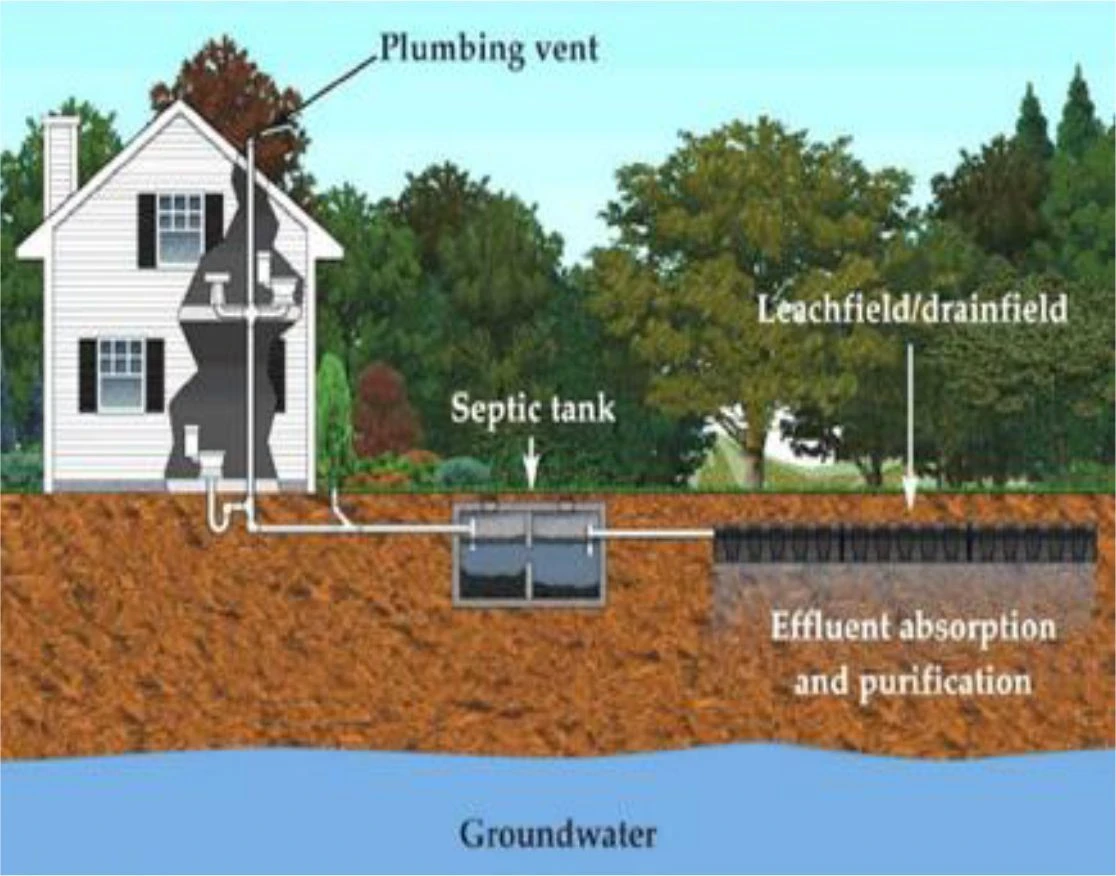
A septic system uses natural processes to treat and dispose of sewage. Most systems have a septic tank and drainfield. This is called a conventional system. The diagram below shows the parts of a conventional septic system.
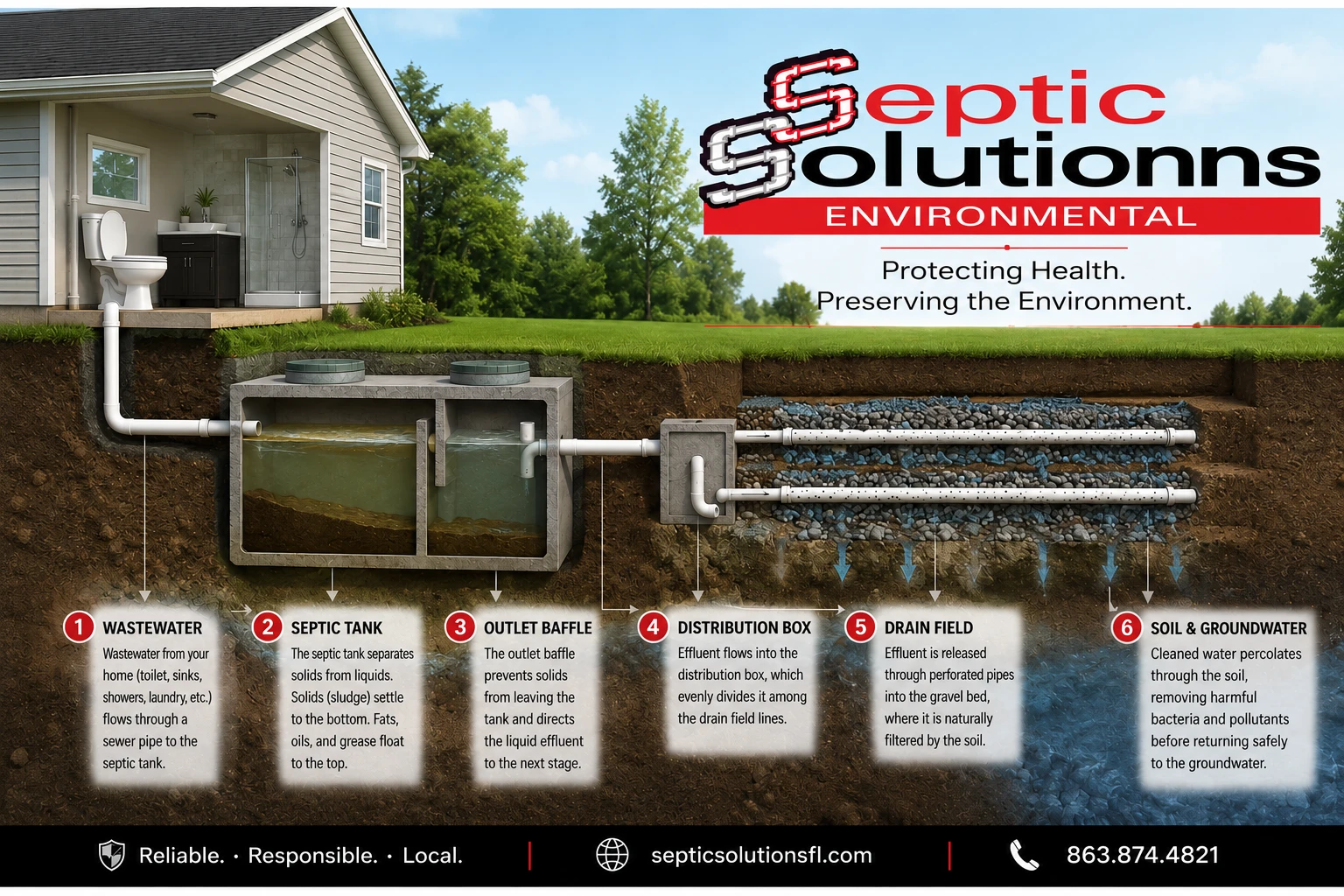
A septic tank provides the first step of treatment. It separates and stores solids, grease, and oils from sewage so the remaining liquids can go to the drainfield. Some systems need additional tanks and pumps to move this partially treated sewage to the drainfield.
The drainfield and the soil underneath it provides most of the treatment. The drainfield is under the ground and uses approved drainfield products to spread the partially treated sewage across the bottom of the drainfield so that it can percolate down through the soil. The soil acts as a filter to remove disease-causing germs, some nitrogen, and other pollutants.
Some advanced systems provide additional treatment for certain pollutants, like nitrogen. In Florida, these systems are permitted in aerobic treatment units. Florida has specific maintenance requirements for these systems.
All systems, whether conventional or advanced, require maintenance to work properly.
How to Locate Your Septic System
In order to take care of our system, you must know where it is. Locating your system will enable you to ensure your tank is accessible for pumping and that your drainfield is protected.
The site plan associated with your permit indicates the approximate location of the system and other information. Keep the paperwork in this folder for future reference and pass it along if you sell your property/home.
How to Take Care of Your Septic System
Proper care can help you to avoid the nightmare of a failing system. By following the recommendations below, you can help your system work properly for years to come.
Inspect and Pump Regularly
Conventional Systems: Pump every 3-5 years. Clean filter yearly.
Aerobic Treatment Unit (ATU): See copy of the contract for maintenance requirements.
Protect Your Tank & Drainfield
Make sure you know where your tank and drainfield are located (see site plan).
Plant only grass over or near the drainfield. Roots from trees and shrubs can grow into the drainfield from long distances, which can clog and damage it.
Divert downspouts and other sources of water away from your tank and drainfield area. Too much water entering the tank and drainfield area prevents proper treatment and can cause your system to fail.
Prevent vehicles from driving or parking over your tank and drainfield.
Don't cover any part of the tank or drainfield and don't dig around it.
Watch What You Pour Down Your Drains!
Don't pour strong chemicals, cleansers, or unwanted medications down your drains or toilets. These can kill the bacteria in the septic tank that help treat sewage.
Do not pour cooking oil or grease down your drains which can clog the pipes, filter, and drainfield.
Don't flush anything but human waste and toilet paper. Anything else, including "flushable" wipes and kitty litter, can clog and or possibly damage your septic system.
Limit the use of a garbage disposal, it is recommended that you have your filter cleaned at least twice a year and have your tank pumped more often if you do use a garbage disposal.
Don't allow backwash from water softeners to enter your septic system area. This should be re-routed at least 15 feet from the tank and drainfield.
Use Water Wisely!
Conserve water to reduce the amount of sewage that must be treated and disposed of by your system. Repair any leaking faucets or toilets promptly.
Do laundry over several days instead of all at once to put less stress on your system. Consider the installation of a separate laundry system if you need to do excessive laundry day after day.
Don't forget to sign up to become a Premier Septic Member to help in preventative maintenance and additional savings. Please see Filter Maintenance Agreement and self-stamped address envelope, if you would like to sign up, please fill out, sign, date, and return the white copy only. The yellow copy is for your records.
Our staff is always here to help with any questions or concerns, please don't hesitate to call the office.
Our Septic Services
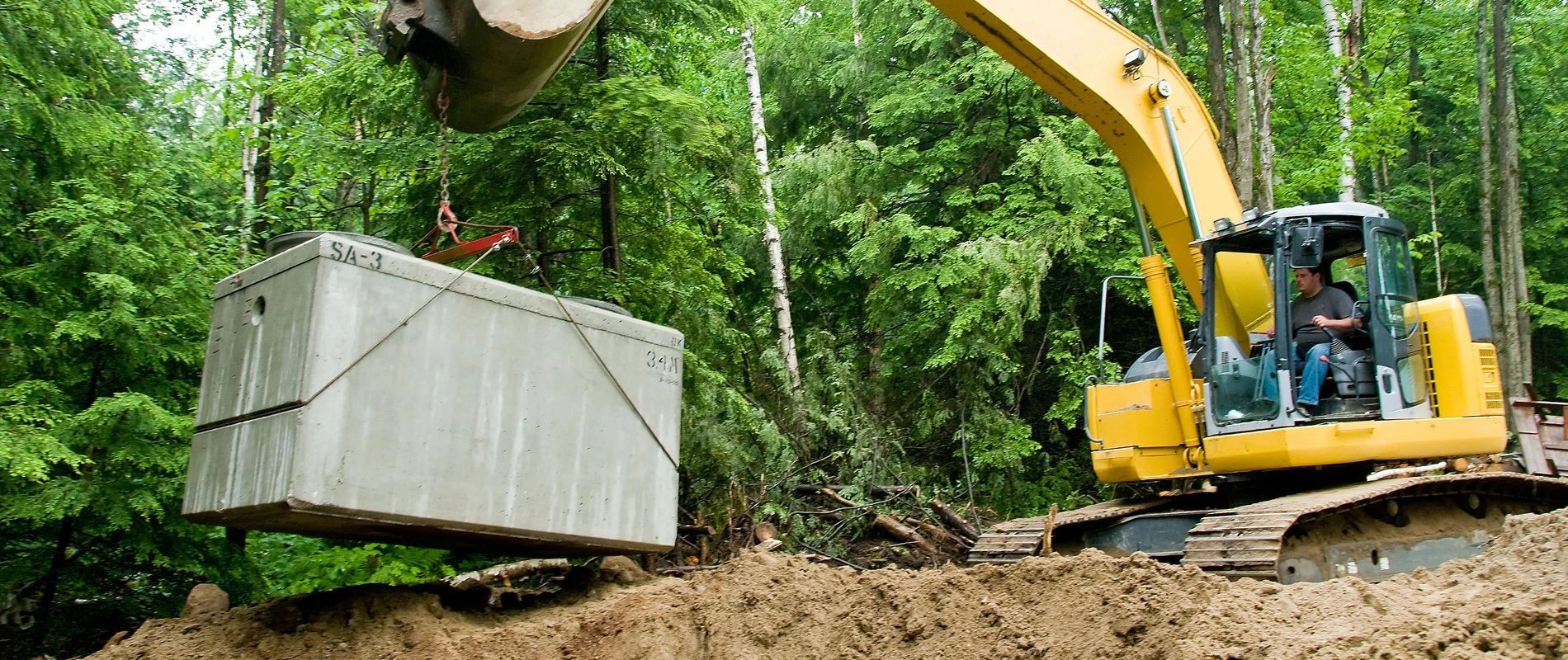
Septic Tanks
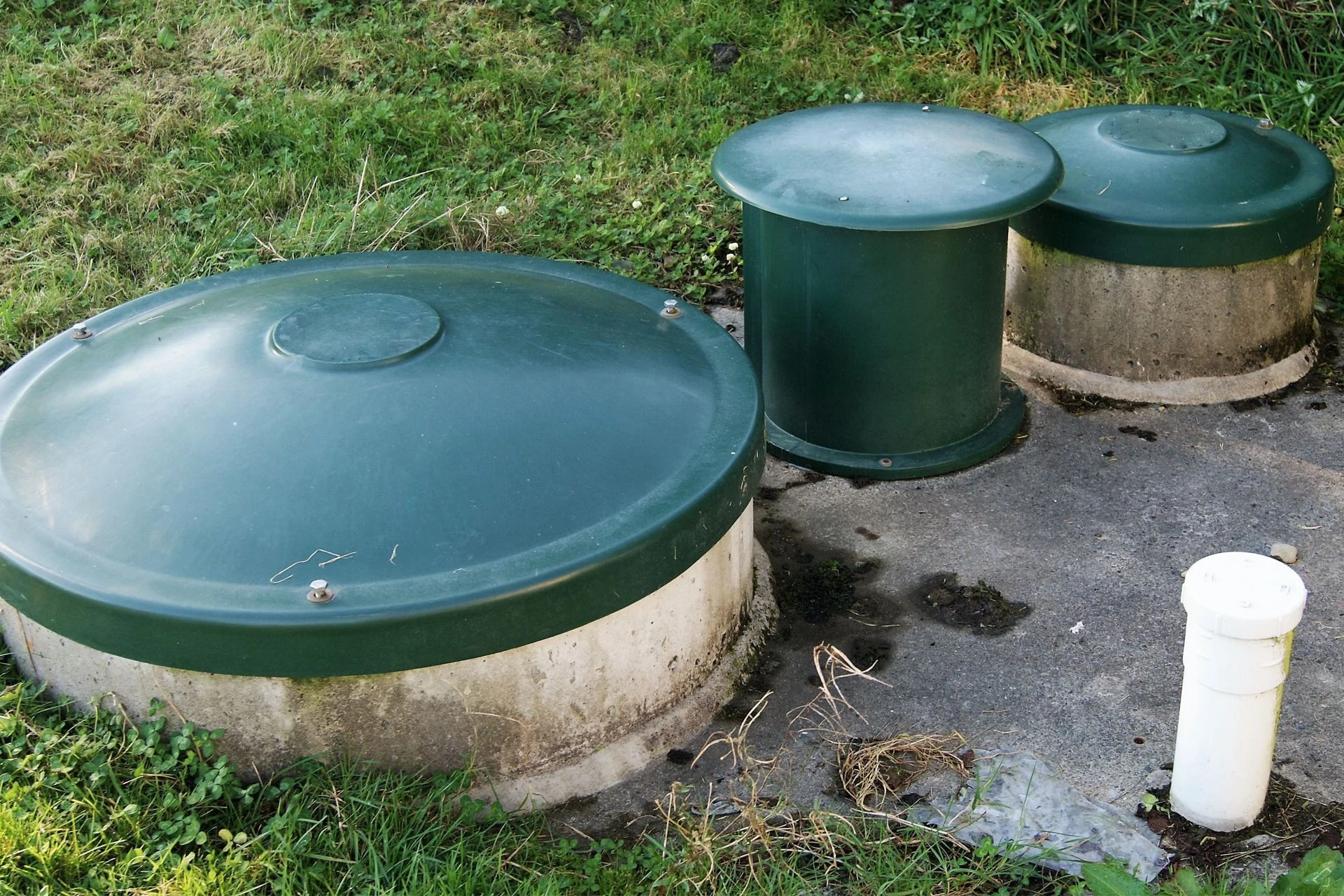
Lift Stations
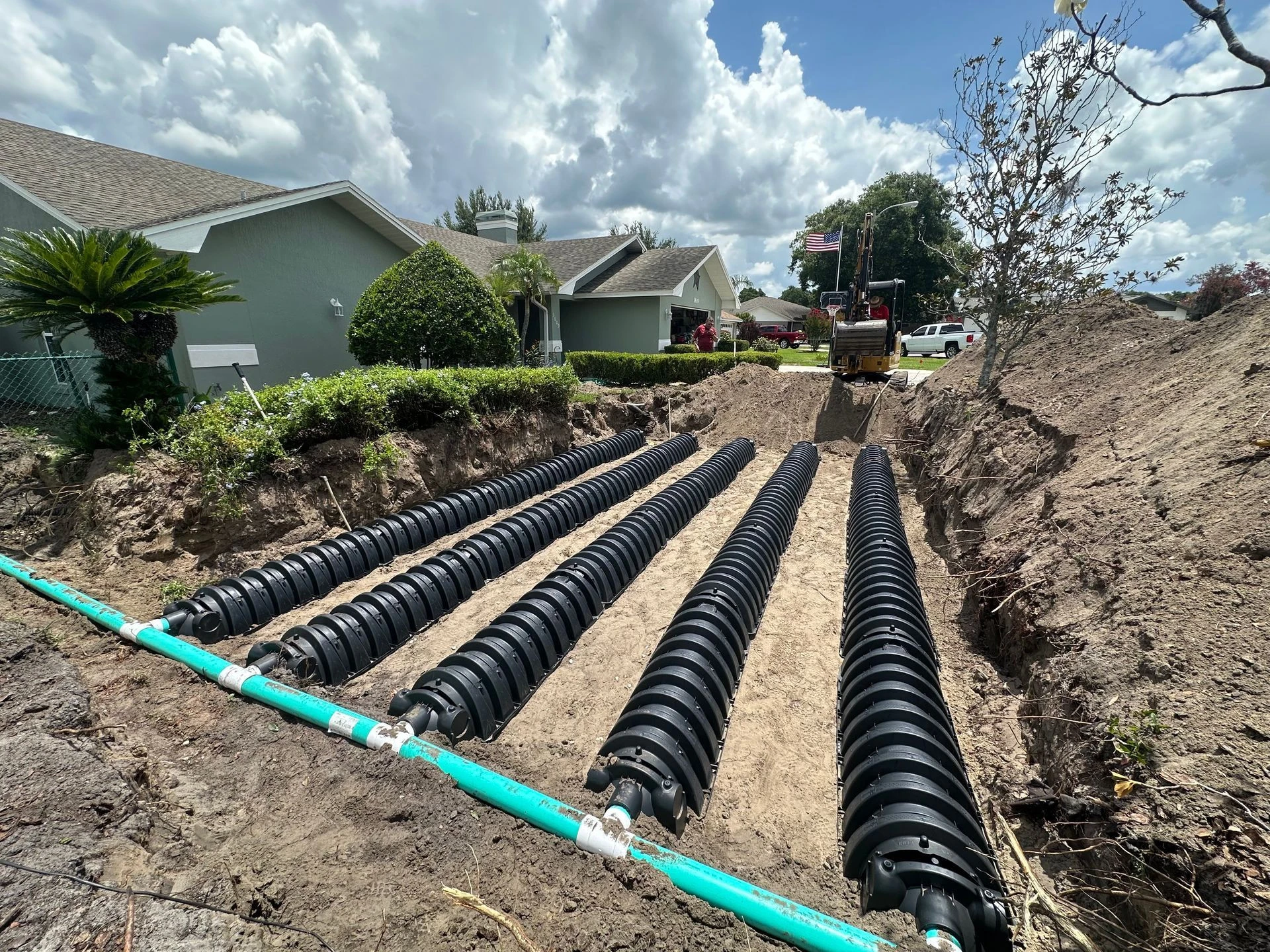
Drain Fields
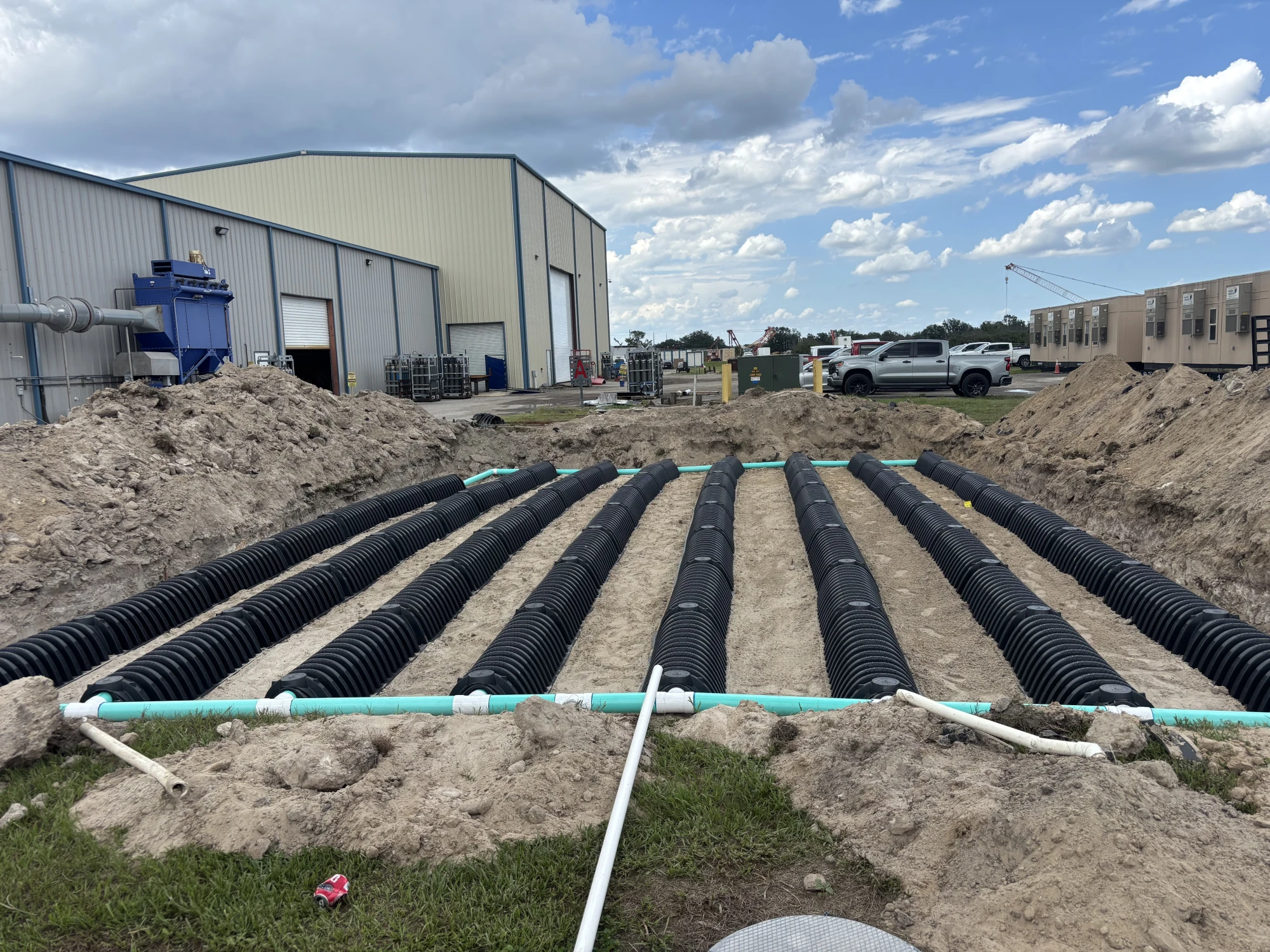
Commercial Installations
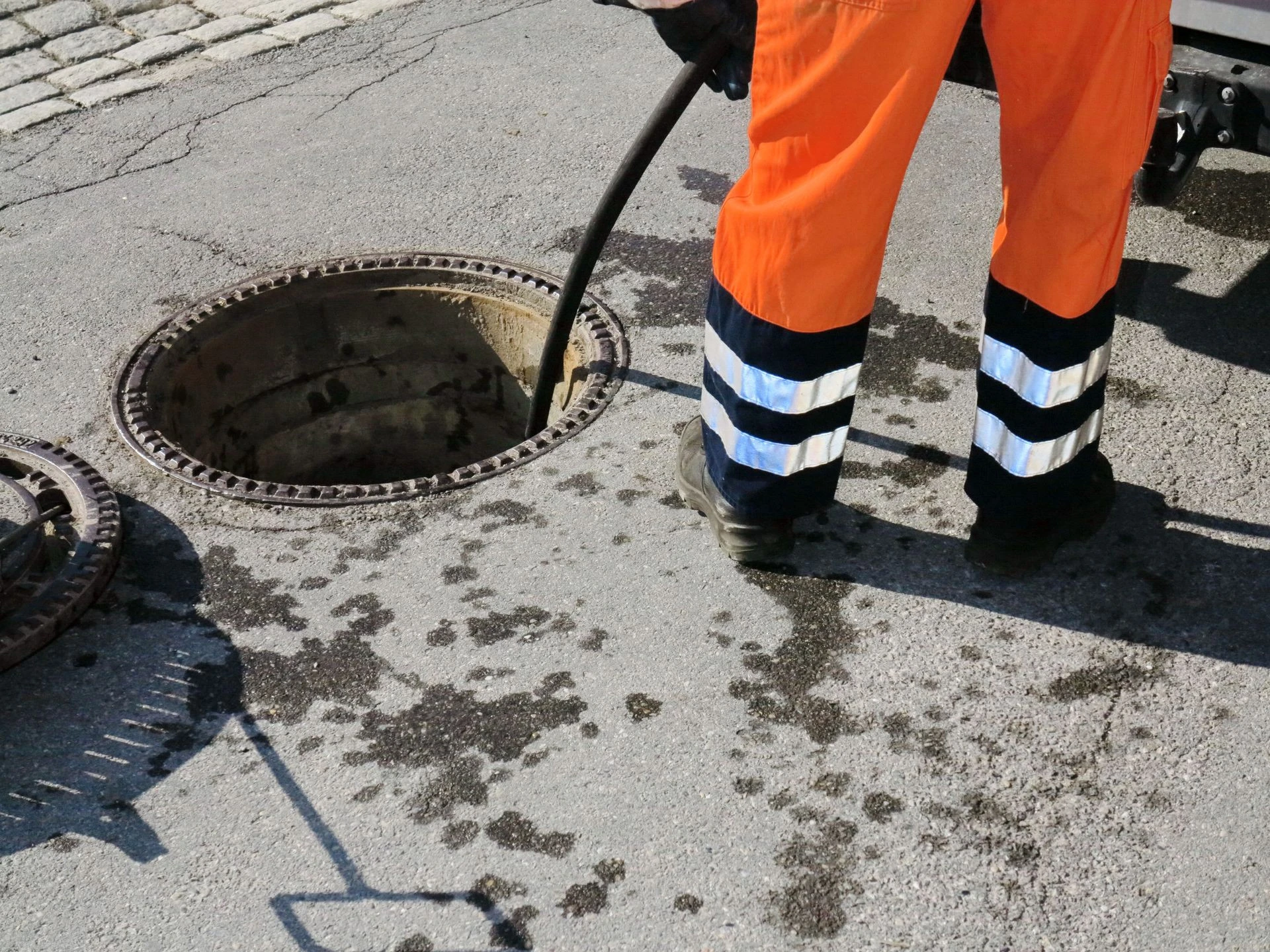
Grease Trap Pumping
Locations we proudly Serve
Your Septic System Experts In Polk County, FL
Septic Solutions Environmental provides septic tank, drain field, & lift station installation, maintenance, repair, and pumping services to the Polk County, FL area.